
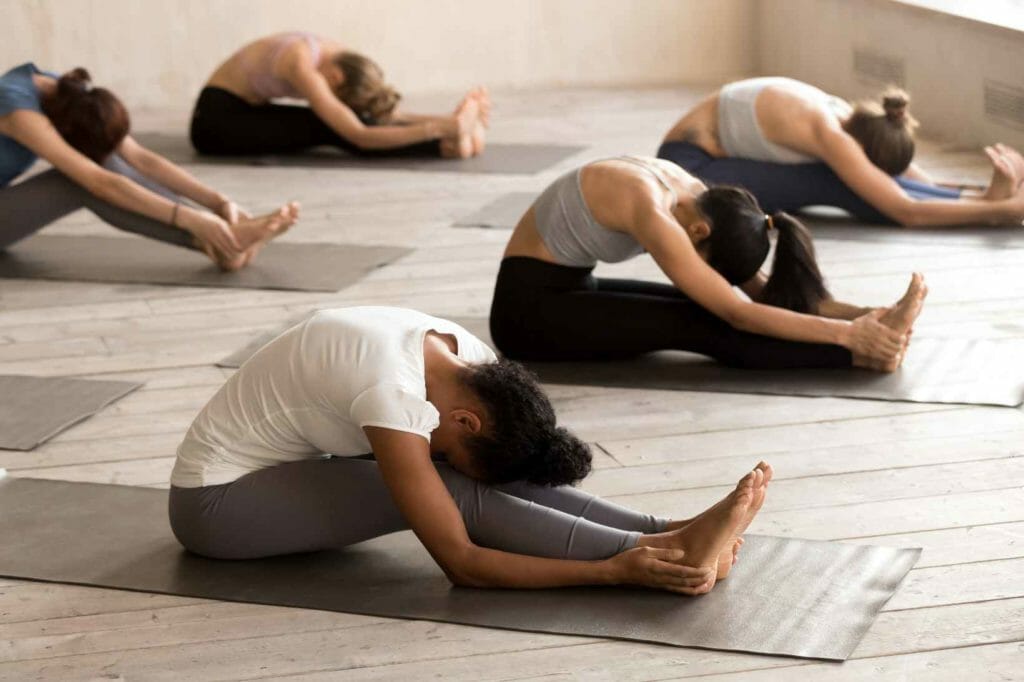
Are you struggling to find time to rest and recover from your busy lifestyle? Yin Yoga for stress relief offers a gentle, mindful approach to slowing down, releasing tension, and restoring balance. Unlike more active forms of yoga, Yin Yoga encourages stillness and introspection, allowing your body and mind to deeply relax.
What is Yin Yoga?
Yin Yoga is a contemplative practice rooted in Traditional Chinese Medicine. Developed by Paulie Zink, Paul Grilley, and Sarah Powers, it focuses on slowing down. In Yin Yoga, poses are held for several minutes, targeting deep connective tissues.
Unlike dynamic yoga styles, Yin Yoga encourages you to surrender into each posture. This fosters flexibility and mobility over time, without strain or force.
Sue Goodly found Yin Yoga later in her life and considers it her midlife resets. “It changed my world!” she exclaimed. Sue longs to share Yin Yoga with others who otherwise shy away from the practice. She is passionate about including all bodies and ages because she knows from experience that anyone can benefit from slowing down, especially those who believe they can’t. Now, she is sharing her personal experience, knowledge, and wisdom to help others through her new online course, Elevate Your Health: The Yin Approach to Wellbeing.
The Principles Behind Yin Yoga
Everything in the universe has yin and yang energy. Yang represents activity, dynamism, and masculinity. Yin represents stillness, stability, and femininity.
Yin Yoga invites practitioners to embrace the yin qualities. It emphasizes slow, mindful movement and introspection. Over time, this practice helps the body relax and the mind quiet.
Therapeutic Benefits of Yin Yoga
Practicing Yin Yoga for stress relief can support both physical and emotional health. Benefits include:
-
Improved joint health and range of motion
-
Reduced stress and tension
-
Enhanced relaxation through mindfulness
-
Support for emotional well-being via organ and meridian stimulation
By targeting specific organs and meridians, Yin Yoga may help balance emotions according to traditional Chinese medicine principles.
How does organ health support emotional well-being?
By stimulating specific organs and meridians, Yin Yoga is believed to support emotional wellbeing by helping to balance associated emotions according to traditional Chinese medicine principles.
Common Misconceptions About Yin Yoga
Some think Yin Yoga is “easy” because it’s slow. In reality, it can be challenging physically and mentally. Practitioners often confront discomfort and learn acceptance in stillness.
Yin Yoga is not about pushing your limits but gently exploring your edges. Even short daily sessions can yield meaningful results.
Who Can Benefit from Yin Yoga?
Yin Yoga is accessible to nearly everyone. It is ideal for:
-
People with sedentary lifestyles
-
Athletes seeking balance
-
Those managing chronic pain or stiffness
Even brief Yin-inspired stretches or mindful pauses during the day can help reduce stress and improve overall well-being.
Elevate Your Health: The Yin Approach
In my online course, Elevate Your Health: The Yin Approach to Wellbeing, participants learn:
-
A variety of Yin Yoga poses and techniques
-
How to safely adapt practices to individual needs
-
Therapeutic effects backed by modern research and ancient wisdom
-
Principles of Traditional Chinese Medicine
Through guided practice and reflection, participants cultivate mindfulness and self-awareness on and off the mat.
Join the Journey
Ready to experience Yin Yoga for stress relief? Click here to learn more and register for Elevate Your Health: The Yin Approach to Wellbeing. Your mind and body will thank you.