
Low back pain can affect much more than the way you move. When discomfort becomes persistent or recurring, it can influence daily activities, exercise, sleep, stress, and even how confident you feel moving your body.
Yoga for low back pain offers an opportunity to approach movement with greater awareness. Rather than simply stretching the area that hurts, a yoga therapy-informed approach considers mobility, stability, breathing, body awareness, and the many factors that can influence an individual’s experience of pain.
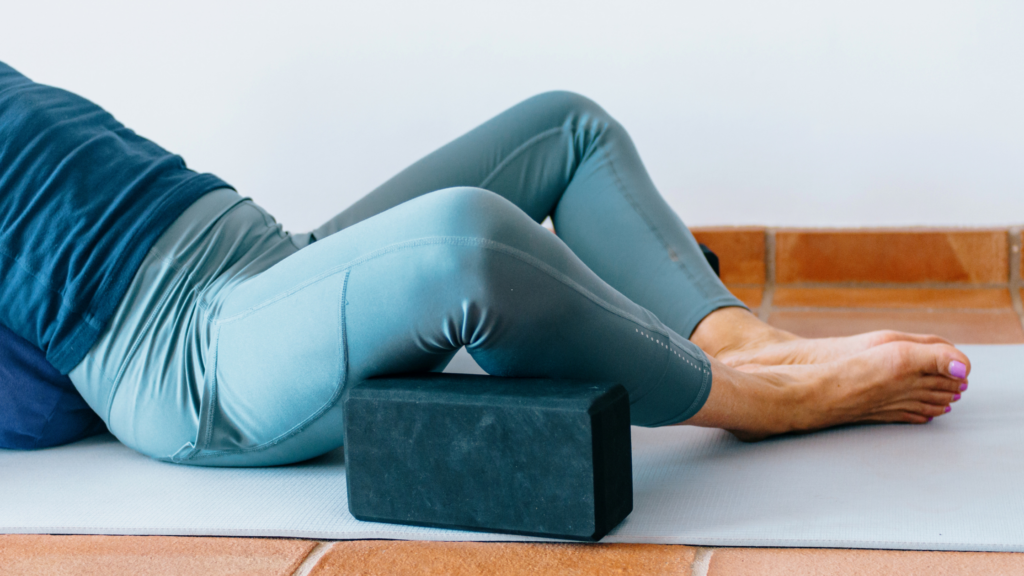
At My Vinyasa Practice, our Yoga Therapy for Low Back Pain course explores back care through an integrative lens, bringing together functional anatomy, biomechanics, pain science, therapeutic movement, breathwork, mindfulness, and yogic principles to help students develop a more informed and individualized approach to low back health.
Understanding Low Back Pain
Low back pain is not a single experience with a single cause. The low back is part of a larger system that includes the spine, pelvis, hips, core musculature, surrounding connective tissues, and nervous system.
Discomfort can also be influenced by many factors, including:
- Mobility
- Strength and stability
- Movement patterns
- Previous injury
- Physical activity
- Prolonged positions
- Stress and tension
- Recovery and rest
- Individual anatomy
This complexity is one reason there is no single yoga pose or sequence that is appropriate for everyone experiencing low back pain.
A yoga therapy-informed approach encourages us to look beyond the location of discomfort and consider the whole person. Instead of asking only, “Where does it hurt?” we can also become curious about how someone moves, breathes, rests, responds to stress, and experiences their body.
How Yoga Can Support Low Back Health
Yoga offers more than stretching.
A well-rounded yoga practice can incorporate intentional movement, strength, mobility, breathwork, mindfulness, meditation, and relaxation. These tools can help someone explore movement while developing greater awareness of how their body responds.
Depending on the individual, a practice may include:
- Gentle spinal movement
- Hip mobility
- Functional strengthening
- Core stability
- Breath awareness
- Mindful movement
- Relaxation practices
- Meditation and mindfulness
The goal is not necessarily to make the body more flexible. Instead, yoga can help us explore a balance between mobility and stability while becoming more aware of how movement feels.
Mobility and Stability for the Low Back
When people experience low back discomfort, stretching is often one of the first strategies they consider. Mobility can certainly be an important part of a yoga practice, but more flexibility is not always the answer.
The body also relies on stability and strength to support movement. This is why yoga for low back pain may include practices that address the hips, pelvis, core, and surrounding areas rather than focusing exclusively on stretching the lumbar spine. A yoga therapy-informed practice might explore how different areas of the body work together and how changes in one area influence another.
Instead of asking, “How deeply can I stretch?” the practice becomes an opportunity to ask: Can I move with greater awareness, support, and ease?
The Nervous System and the Experience of Pain
Pain is not only a mechanical experience. The nervous system plays an important role in how we experience and respond to discomfort. This does not mean that pain is imaginary or “all in your head.” Pain is real, and the experience of pain is complex.
Stress, fear around movement, previous experiences, sleep, tension, and other factors can all influence how safe or threatening movement feels. Yoga offers tools that encourage us to slow down and pay attention to these responses.
Practices such as mindful breathing, gentle movement, meditation, relaxation, and body awareness can create opportunities to notice tension and explore movement without automatically pushing through discomfort. For someone who has become hesitant or fearful about movement because of pain, gradually developing a more curious and responsive relationship with the body can be an important part of the process.
Breathwork for Low Back Pain
Breathing is another important component of a yoga therapy-informed approach.
Breath and movement are closely connected. The way we breathe can influence muscle tension, body awareness, and our overall experience during a practice. Pranayama and breath awareness can be incorporated alongside movement or practiced independently.
Rather than forcing a particular breathing pattern, students can begin by observing:
- Where they notice their breath
- Whether breathing feels restricted or comfortable
- How their breath changes with movement
- Whether they tend to hold their breath during challenging movements
- How slower breathing affects their overall experience
This turns the breath into another source of information about what is happening in the body.
Mindful Movement Instead of Pushing Through Pain
Yoga is sometimes approached with the idea that progress means moving deeper into a pose, becoming more flexible, or completing increasingly challenging shapes.
A therapeutic approach asks different questions:
- What happens if you decrease the range of motion?
- Would additional support change the experience?
- Does moving more slowly provide more information?
- What happens when you stop before reaching discomfort?
These questions encourage exploration rather than performance. Adaptive movement allows yoga to meet the individual instead of expecting the individual to conform to a predetermined version of a pose. That may mean modifying a posture, changing the range of motion, using props, choosing a different movement, or resting altogether.
Yoga for Low Back Pain Is Not One-Size-Fits-All
One of the most important principles of yoga therapy is individualization. Two people can both describe having “low back pain” while experiencing completely different sensations, limitations, histories, and needs. One person may benefit from exploring greater mobility. Another may need more stability or strength. Someone else may need to begin with breathwork, relaxation, or very gentle movement before progressing to a more active practice.
Needs can also change from day to day. Rather than searching for the single “best yoga pose for low back pain,” consider asking:
- What kind of movement feels supportive for my body today?
That question creates space for a practice that is responsive rather than prescriptive.
Building a Sustainable Yoga Practice for Back Care
A supportive yoga practice does not have to be long or complicated. Consistency, awareness, and adaptability can be more valuable than completing an intense sequence occasionally.
A sustainable practice might include a few minutes of mindful movement in the morning, breathwork during the day, functional strengthening several times per week, or restorative practices when the body needs more recovery. The goal is to develop tools you can return to rather than relying on one sequence for every experience of discomfort. Over time, this approach can help you become more familiar with your movement patterns, recognize changes in your body, and make more informed choices about your practice.
Learning to Support Others with Low Back Pain
Understanding yoga for low back pain can also be valuable for yoga teachers and wellness professionals. Back discomfort is common, and students may arrive in class with different diagnoses, injuries, movement histories, and levels of comfort.
Learning more about functional anatomy, biomechanics, pain science, mobility, stability, and adaptive movement can help teachers approach these students with greater awareness. This does not mean diagnosing or treating an injury or medical condition. Instead, yoga teachers can develop a stronger understanding of how to offer choices, modify practices, avoid one-size-fits-all recommendations, and encourage students to work within an appropriate scope.
Explore Yoga Therapy for Low Back Pain
Whether you are navigating low back discomfort personally or want to expand your understanding professionally, My Vinyasa Practice’s Yoga Therapy for Low Back Pain course provides an opportunity to explore back care through the complementary perspectives of yoga therapy, movement science, and yogic practice.
This self-paced online course explores the complexity of low back pain while providing practical tools that can be incorporated into personal practice or used to inform work with others.
Students explore:
- Functional anatomy and biomechanics
- Common contributors to low back pain and dysfunction
- Pain science
- Therapeutic yoga practices
- Asana for low back support
- Pranayama and breathwork
- Functional strengthening
- Mobility and stability
- Adaptive movement
- Mindfulness and meditation
- Body awareness
- Approaches for common low back concerns
The course is self-paced and includes pre-recorded educational content, therapeutic practices, written materials, PDF resources, lifetime access, and ongoing support.
Move with Greater Awareness
Experiencing low back pain does not mean your relationship with movement has to be defined by fear, frustration, or constantly trying to “fix” your body.
Yoga offers an opportunity to become curious.
Through mindful movement, breathwork, functional strengthening, mobility, stability, and self-awareness, you can begin developing a practice that responds to your body rather than pushing against it.
Yoga Therapy for Low Back Pain is designed to deepen that understanding while providing practical tools for exploring movement and supporting low back health.
Explore Yoga Therapy for Low Back Pain with My Vinyasa Practice and discover a more informed, individualized approach to movement, body awareness, and back care.
Use code MVPBLOG25 at checkout to receive 25% off this featured Yoga Therapy On Demand offering; Yoga Therapy for Low Back Pain