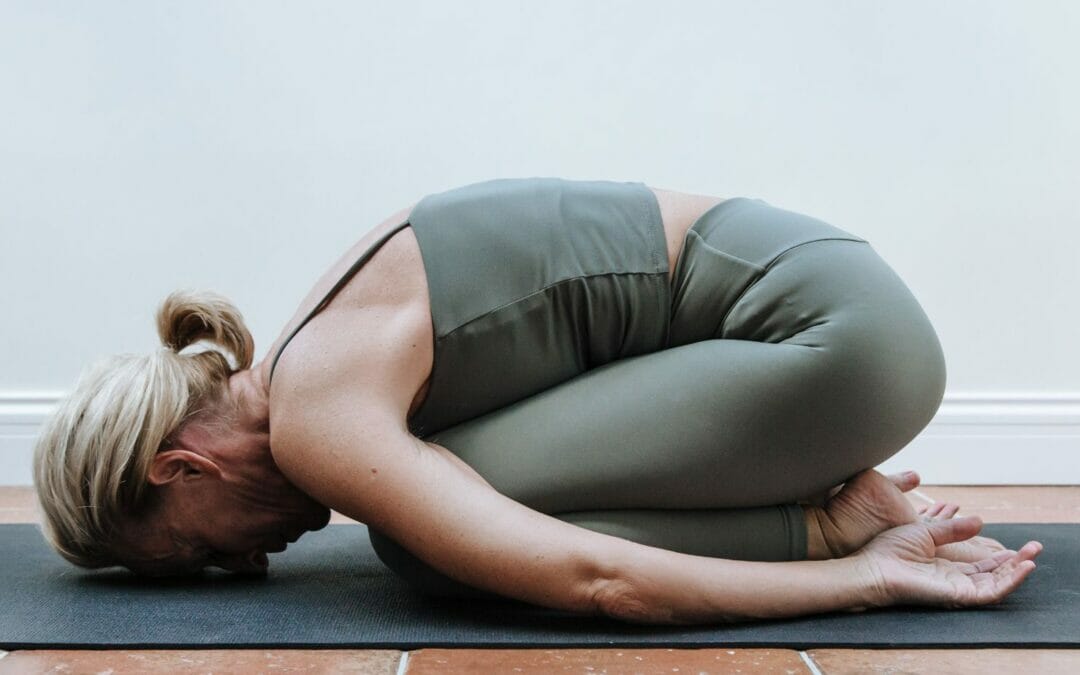
Satya, which translates into truthfulness, is the second Yama of the Eight Limbed Path. The Eight Limbed Path, also referred to as the Eight Limbs of Yoga, come from the Yoga Sutras of Patanjali and provide guidance for practicing yogis on how to live a meaningful,...
There are times in our lives when we need a little bit of grounding, be you a young and new yogi or a seasoned veteran yogi. You might feel as though you’re moving quickly and can’t catch your breath, or may you feel as if you are stuck in the thinking phase and...
As yogis and yoga teachers, most of us know well the feeling of being compassionate and holding space for others. While this is a beautiful benefit of teaching yoga, it is also important to turn around, practice self compassion and hold space for oneself. The need to...
There are many ways in which you can prepare yin and restorative yoga class themes. The theme that you choose for your sequence can depend on a few different factors: time of day, type of class, and your audience. Your theme can be simple or complex and can affect any...
Mudras have always been part of the ancient traditions of yoga. Mudra means “seal” or “attitude” in Sanskrit and when the word is broken into parts it can be translated as “to move towards delight.” Mudras are subtle and delicate movements of the hands, face, or...
Ahimsa, which translates into non-violence or non-harming, is the first Yama in the Eight-Limbed Path of Yoga as described in the Yoga Sutras of Patanjali, an ancient scripture often resourced by yoga schools in their online yoga teacher training programs. The Eight...